Insuring an Electric Kart Fleet: Battery, Charging & Physical-Damage Risks
May 20, 2026
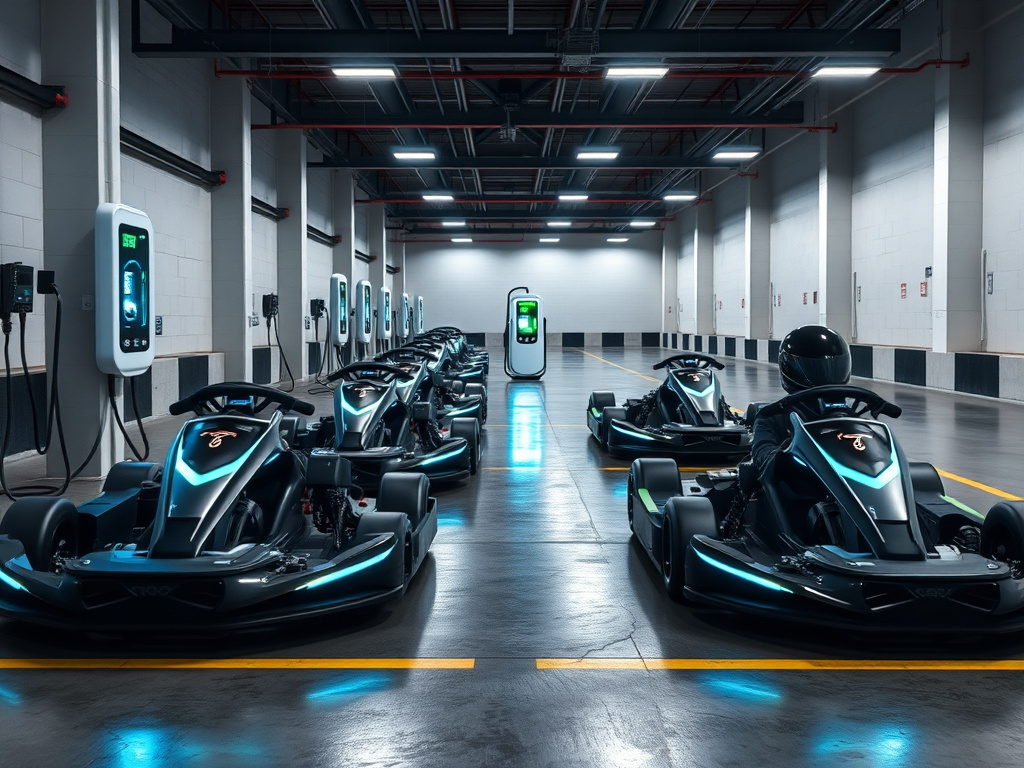
Electric karts have quietly taken over the indoor karting world — and for good reason. But the same technology that makes them cleaner and quieter also introduces new exposures that carriers are asking about with increasing scrutiny. If you run or are planning an electric fleet, here is what you need to understand about insuring it.
Why Electric Karts Took Over Indoor Karting
The appeal is obvious. Electric karts produce no exhaust fumes, which solves the ventilation problem that makes gas karts difficult and expensive to run indoors. They are quieter, deliver instant torque for a thrilling drive, and generally require less routine mechanical maintenance than gas engines. For indoor centers especially, electric has become the default — and outdoor parks are increasingly adopting it too.
But 'no exhaust and less maintenance' does not mean 'lower risk across the board.' It means a **different** risk profile — one built around large lithium-ion battery packs and the infrastructure to charge them.
The Lithium Battery and Charging Fire Risk
The central new exposure with an electric fleet is fire. Lithium-ion battery packs store a lot of energy, and when a cell fails — from damage, a manufacturing defect, overcharging, or thermal runaway — it can ignite a fire that is fast, hot, and difficult to extinguish. Charging is a particular concern: you are cycling many large batteries every day, often in a concentrated charging area, sometimes overnight.
That concentration is what underwriters focus on. A single kart is one thing; a charging bay with an entire fleet plugged in is a meaningful property-fire exposure. Good practice — proper charging equipment, a dedicated and well-ventilated charging area, fire detection and suppression, and clear protocols for damaged or swollen batteries — reduces both the risk and the friction with carriers.
Physical Damage and Equipment Coverage
Your electric fleet is a large capital asset, and the batteries are among the most valuable components in each kart. Kart physical damage coverage (typically written as inland marine or equipment coverage) should respond to damage from collision, fire, vandalism, and other covered causes — and its limits should reflect the true replacement cost of an electric fleet, batteries included. Undervaluing the fleet here is a common mistake; make sure your equipment schedule captures what it would actually cost to replace the karts and packs.
Property Considerations for the Charging Area
Beyond the karts themselves, your building and charging infrastructure need attention on the property side. The charging area, electrical systems, and the structure around it are all part of your property exposure, and a battery fire is a property-and-business-interruption event as much as an equipment loss. For an indoor center especially, a fire that shuts you down during peak season makes business interruption coverage — which replaces lost income while you recover — an important companion to your property policy.
Battery Aging and the Total-Cost Picture
Lithium batteries degrade over time and with heavy daily cycling — exactly the duty an active karting fleet imposes. As packs age, capacity drops and, in poorly maintained fleets, the risk of cell failure can rise. This matters for insurance in two ways. First, your equipment values should be kept current so a claim reflects real replacement cost rather than an outdated schedule. Second, a documented battery-inspection and replacement program is the kind of operational discipline underwriters like to see, because it directly reduces fire risk. Treating batteries as consumable, tracked assets — not permanent fixtures — is good for both safety and insurability.
What Carriers Ask About an Electric Fleet
Expect underwriters to ask about the specifics of your electric operation: the make, age, and battery chemistry of your karts; how many you charge and where; the design and ventilation of your charging area; your charging equipment and whether charging is supervised or overnight; your fire detection and suppression systems; and your protocols for handling damaged or degraded batteries. Operations that can answer these clearly and show good charging discipline generally see smoother underwriting and better terms. Being ready with these answers before you go to market often makes the difference between a hesitant quote and a competitive one.
Coordinating Property, Equipment, and Interruption Coverage
One reason electric fleets trip up owners is that a single battery event can touch three different coverages at once. The kart and its pack are an equipment loss; the charging area, wiring, and surrounding structure are a property loss; and if the fire forces you to close, the lost income is a business-interruption loss. If those coverages are bought piecemeal from different sources with mismatched limits, a claim can fall into the seams between them. The cleaner approach is a coordinated program where equipment, property, and business interruption are structured together and sized to the same electric reality — so a battery fire is handled as one coherent claim rather than three arguments.
Insure Your EV Fleet the Right Way
Electric karts are a great business decision — but they need a program built around battery and charging risk, with equipment limits that reflect real replacement cost and property coverage that accounts for your charging infrastructure. Do not simply carry over a gas-fleet policy and assume it fits.
Call **844-967-5247** or email **josh@contractorschoiceagency.com** for a free quote, and we will structure coverage around your electric fleet, your charging setup, and the property risk that comes with it.
Ready to review your coverage?
Get a free quote for an insurance program built around your operation, and everywhere between.